

Switch 48.3cm24p 1000 HP ProCurve V1910-24G 4xGBIC shared
Switch
Brand: HPE
SKU: JE006A
$563.88
Price as listed. Shipping charges calculated at checkout.
Low stock — only 1 left

Do you have any question about this product or its specs? Want to know more? Click here to contact our pre-sales consultant and make the right purchase.
 NOTE: The information below is provided for your convenience only; the accuracy of the specifications cannot be guaranteed. However, if necessary, please check with us before purchasing. Data provided by 1 World Sync.
General
Switch type
Managed
Switch layer
L2+
Basic switching RJ-45 Ethernet ports quantity
24
Full duplex
Y
MAC address table
32 entries
Switching capacity
56 Gbit/s
Hewlett Packard Enterprise V V1910-24G. Switch type: Managed, Switch layer: L2+. Basic switching RJ-45 Ethernet ports quantity: 24. Full duplex. MAC address table: 32 entries, switching capacity: 56 Gbit/s
https://h30094.www3.hp.com/product/sku/10250373/mfg_partno/JE006A#ABA&jumpid=3924_us/en/customerviewed/10250373/10250372
HP V1910 series devices are smart-managed, voice-ready fixed configuration Gigabit Layer 2+ switches designed for small and midsized businesses looking for an easy-to-manage yet advanced networking solution. The series has five models: the HP V1910-16G, V1910-24G, V1910-48G, V1910-24G-PoE (170 W), and V1910-24G-PoE (365 W) Switch. Each V1910 switch has 10/100/1000 ports and an additional four true Gigabit SFP ports. These smart-managed switches deliver advanced features for environments not requiring centralized administration and allow network operation to be enhanced using an intuitive Web-based management interface. Advanced features include Layer 3 static routing, access control lists for enhanced security, auto-voice VLAN, QoS traffic prioritization, LLDP, Spanning Tree Protocols, and Power over Ethernet models. All switches are supported by a 3-year warranty.
Features
- IEEE 802.1p prioritization: delivers data to devices based on the priority and type of traffic
- Traffic prioritization (IEEE 802.1p): allows real-time traffic classification mapped to four hardware queues per port
- Layer 4 prioritization: enables prioritization based on TCP/UDP port numbers
- Class of service (CoS): sets the IEEE 802.1p priority tag based on IP address, IP Type of Service (ToS), Layer 3 protocol, TCP/UDP port number, source port, and DiffServ
- Rate limiting: sets per-port ingress enforced maximums and per-port, per-queue guaranteed minimums
- Simple Web management: intuitive Web GUI allows for easy management of device by even nontechnical users
- Single IP management: enables management of up to 32 V1910 devices using a single Web interface; simplifies management of multiple devices
- Secure Web GUI: provides a secure, easy-to-use graphical interface for configuring the module via HTTPS
- SNMPv1, v2c, and v3: facilitate centralized discovery, monitoring, and secure management of networking devices
- Logging: provides local and remote logging of events via SNMP (v2c and v3) and syslog; provides log throttling and log filtering to reduce the number of log events generated
- Auto-MDI/MDIX: automatically adjusts for straight-through or crossover cables on all 10/100/1000 ports
- IEEE 802.3X flow control: provides a flow throttling mechanism propagated through the network to prevent packet loss at a congested node
- * IEEE 802.3af Power over Ethernet (PoE) ready: PWR models able to provide up to 15.4 W per port to power standards-compliant IP phones, wireless LAN access points, Web cameras, and more
- Packet storm protection: protects against broadcast, multicast, or unicast storms with user-defined thresholds
- Jumbo Frames: allow high-performance remote backup, server links, and disaster-recovery services
- Half-/Full-duplex autonegotiating capability on every port: doubles the throughput of every port
- Advanced QoS and traffic shaping: provides traffic prioritization using IEEE 802.1p Quality of Service (QoS) and Type of Service (TOS)with Differentiated Services Code Point (DSCP) and ingress/egress rate shaping to help ensure that critical time-sensitive traffic like voice receives the priority needed for qualitycommunications
- VLANs: segment the network by grouping users based on their data or traffic exchangerequirements; help ensure improved use of available bandwidth as traffic flow is directedaccording to the needs of the business
- Link aggregation (trunking): groups together up to 8 ports automatically using Link Aggregation Control Protocol (LACP), or manually, to form an ultra-high-bandwidth connection to the networkbackbone; helps prevent traffic bottlenecks
- Selectable queue configurations: increase performance by selecting the number of queues and associated memory buffering that best meet the requirements of your network applications
- IEEE 802.1w Rapid Convergence Spanning Tree Protocol: increases network uptime through faster recovery from failed links
- IEEE 802.1D Spanning Tree Protocol (STP): provides redundant links while preventing network loops
- IEEE 802.1s Multiple Spanning Tree: provides high link availability in multiple VLAN environments by allowing multiple spanning trees
- Link aggregation (trunking): groups together up to 8 ports automatically using Link Aggregation Control Protocol (LACP), or manually, to form an ultra-high-bandwidth connection to the networkbackbone; helps prevent traffic bottlenecks
- Redundant Power Supply (365 PWR model only): DC power supply provides additional PoE budget of up to 740 W for high power applications like Gigabit IntelliJack switches
- VLAN support and tagging: supports IEEE 802.1Q (4,094 VLAN IDs) and 256 VLANs simultaneously
- Jumbo packet support: supports up to 9220-byte frame size to improve performance of large data transfers
- Spanning Tree: fully supports standard IEEE 802.1D Spanning Tree Protocol, IEEE 802.1w Rapid Spanning Tree Protocol for faster convergence, and IEEE 802.1s Multiple Spanning Tree Protocol
- Port mirroring: duplicates port traffic (ingress and egress) to a local or remote monitoring port
- BPDU tunneling: transmits Spanning Tree Protocol BPDUs transparently, allowing correct tree calculations across service providers, WANs, or MANs
- User Datagram Protocol (UDP) helper function: allows UDP broadcasts to be directed across router interfaces to specific IP unicast or subnet broadcast addresses and prevents server spoofing for UDP services such as DHCP
- Address Resolution Protocol (ARP): determines the MAC address of another IP host in the same subnet; supports static ARPs; gratuitous ARP allows detection of duplicate IP addresses; proxy ARP allows normal ARP operation between subnets or when subnets are separated by a Layer 2 network
0.0
0 review(s)
Inside NetworkDistri
From our network to yours.
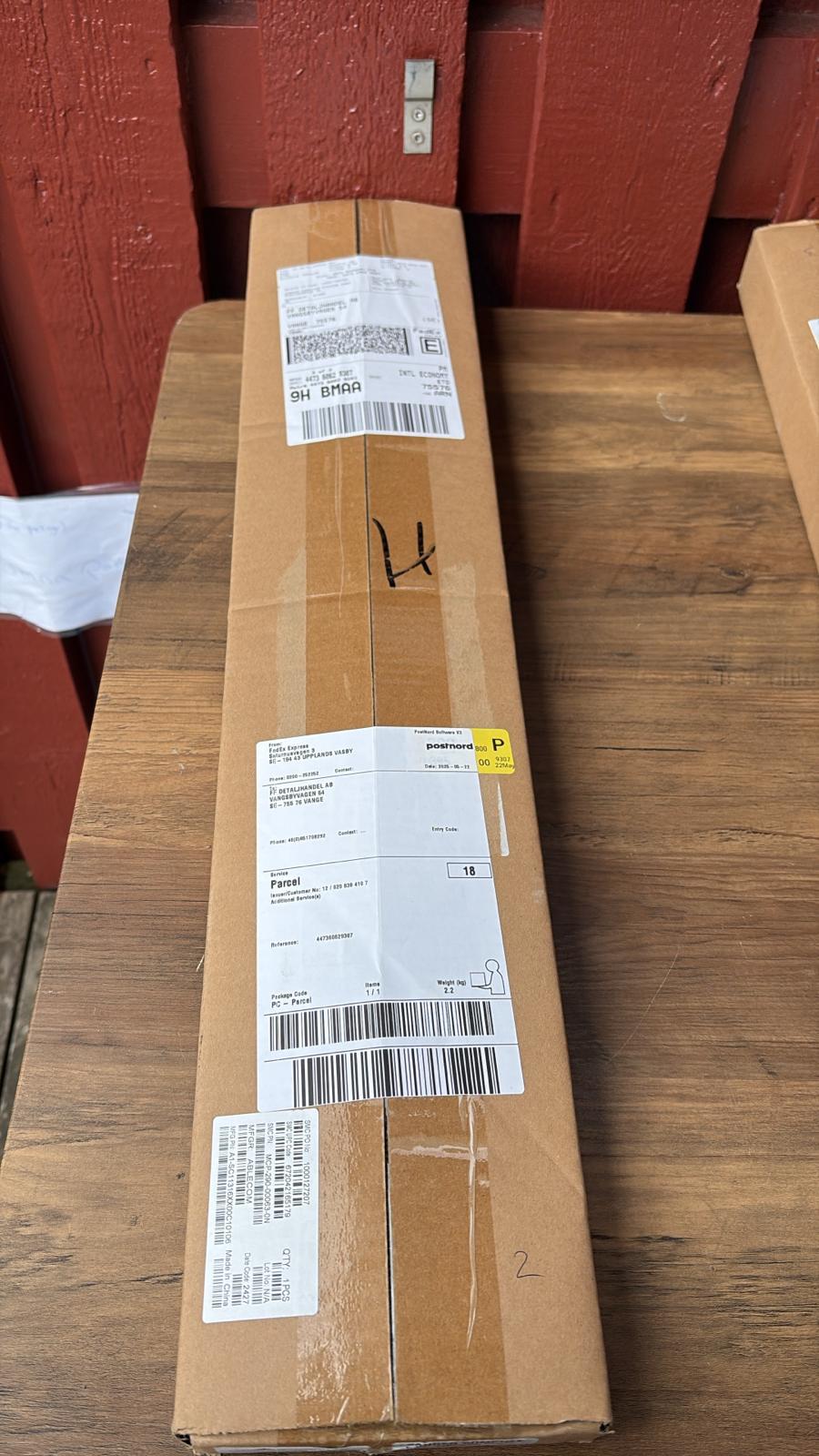
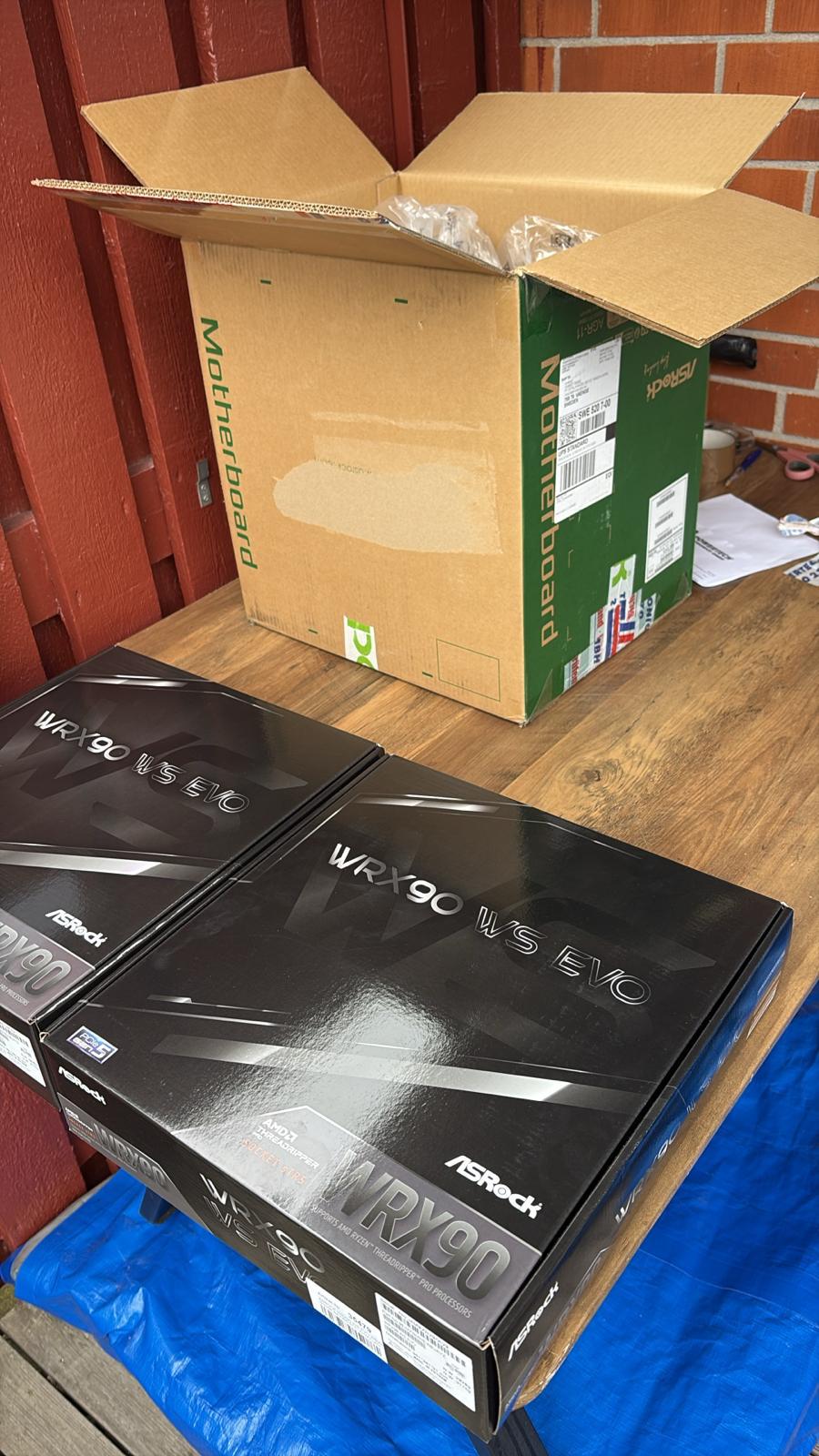
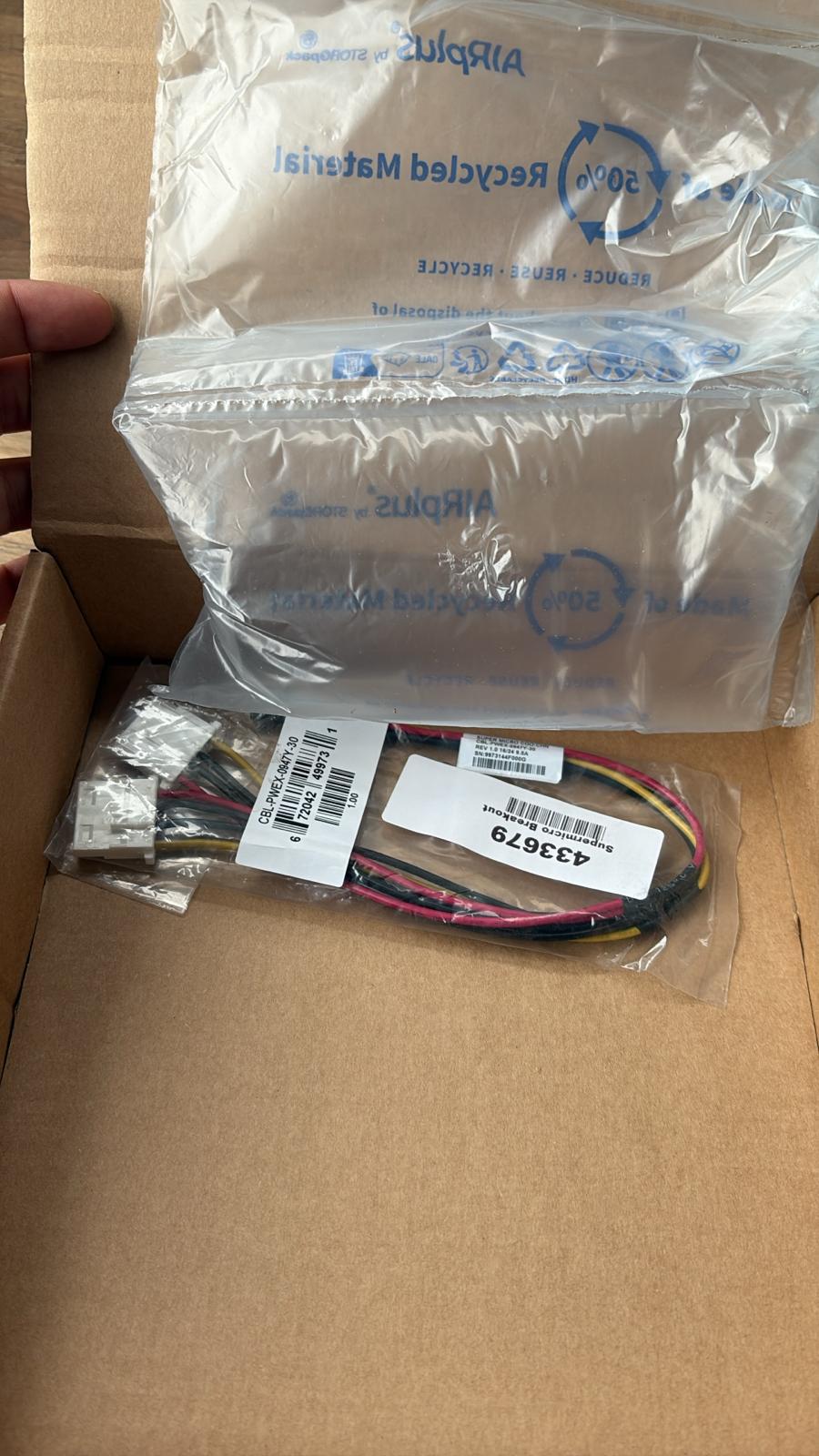
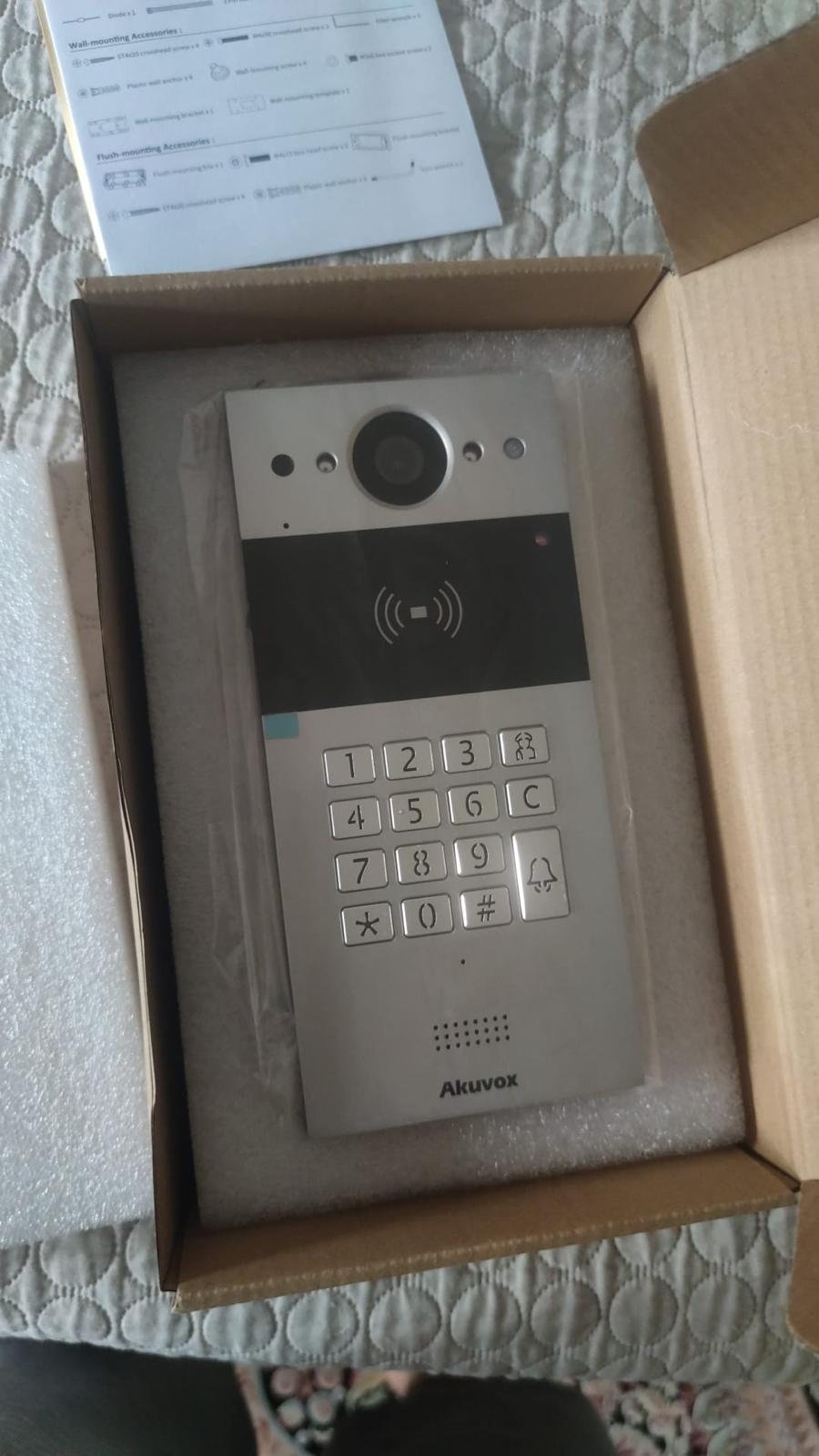
Every day, technology moves through our operation — received, checked, prepared and dispatched to customers. The images below show real equipment handled through our operation, not stock photography.
Real operations
Technology we actually handle
01
Source
Global supply
02
Receive
Goods arrive
03
Prepare
Process & pack
04
Dispatch
On the way